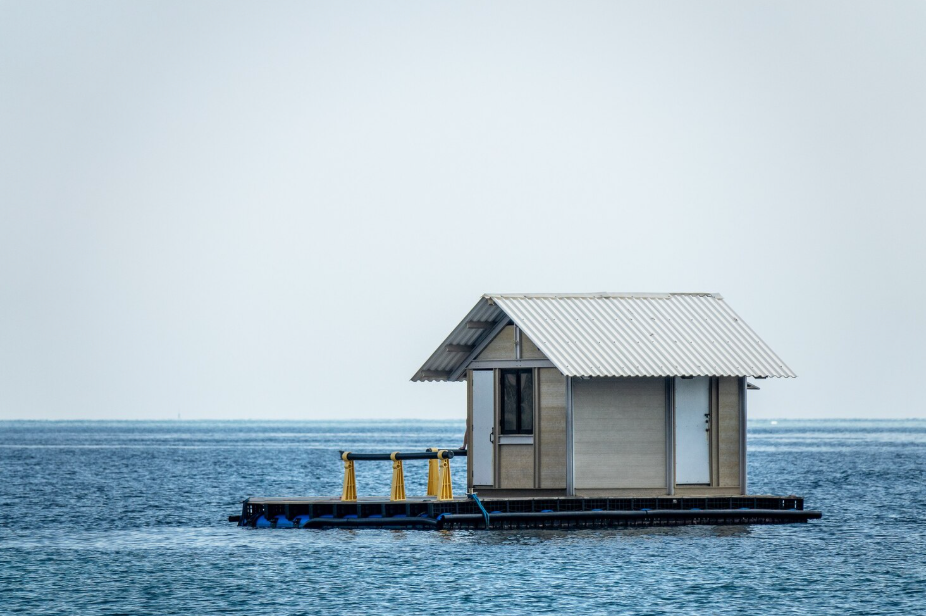
Coastal areas offer stunning views but present tough conditions for construction. Saltwater, strong waves, wind, and high humidity can quickly degrade standard building materials if not properly addressed. The real challenges behind coastal construction near the ocean involve designing structures that are durable and resilient, capable of withstanding constant exposure to these relentless natural forces while protecting both property and communities over time.
Why Saltwater Is a Challenge
Saltwater is highly corrosive. Metals can rust quickly, concrete can deteriorate, and untreated wood can warp or rot. Even small amounts of salt exposure over time can cause significant structural damage. Coastal construction must account for this by using materials and techniques that resist corrosion and maintain strength over decades.
Materials That Resist Saltwater
Using the right materials is essential in saltwater environments. Coastal construction often relies on:
- Marine-grade concrete that resists cracking and erosion
- Stainless steel or coated metals for structural supports
- Treated wood or composite materials for exposed surfaces
- Protective coatings and sealants to prevent moisture penetration
These materials are selected for their long-term performance, reducing maintenance costs and improving the lifespan of coastal structures.
Strong Foundations in a Salty Environment
Saltwater can accelerate erosion and weaken soil around foundations. Coastal construction addresses this with foundation methods that provide stability despite the presence of water and shifting soil. Techniques include:
- Deep pilings anchored below the surface into stable soil layers
- Reinforced concrete footings that resist corrosion
- Screw piles or adjustable supports for soft or shifting ground
Properly designed foundations keep buildings secure, even when the surrounding soil is affected by tides or storms.
Structural Designs That Protect Against Saltwater
Beyond materials and foundations, structural design is critical. Coastal construction includes features such as:
- Elevated platforms to keep structures above high tide levels
- Walls and barriers that reduce direct wave impact
- Drainage systems that move water safely away from the building
These designs minimize saltwater exposure and prevent damage during storms or unusually high tides.
Managing Corrosion Over Time
Even with durable materials, ongoing maintenance is necessary in saltwater environments. Coastal construction plans include:
- Regular inspections of metal supports and fasteners
- Cleaning and recoating exposed surfaces to prevent corrosion
- Replacing components before damage becomes severe
Proactive maintenance ensures structures remain safe and reduces long-term repair costs.
Planning for Extreme Coastal Weather
Saltwater is just one of many forces that threaten coastal structures; strong winds, waves, and storm surges add to the strain. Coastal construction uses durable materials, reinforced connections, and elevated designs that can withstand these conditions. By planning for all aspects of coastal weather, builders ensure that structures remain safe, functional, and long-lasting while protecting nearby shorelines.
Environmental and Community Considerations
Modern coastal construction also takes the environment into account. Preserving natural vegetation, protecting wetlands, and reducing shoreline disruption help maintain natural defenses against erosion. Planning construction that works with natural coastal features enhances stability and reduces environmental impact while supporting local communities.
Conclusion
Coastal construction designed to handle saltwater stress is a combination of smart materials, strong foundations, resilient designs, and proactive maintenance. Saltwater is a constant threat, but with careful planning and specialized techniques, buildings along the coast can remain safe, durable, and functional for decades. These construction methods ensure that waterfront communities are protected while allowing people to enjoy the beauty and benefits of living near the ocean.