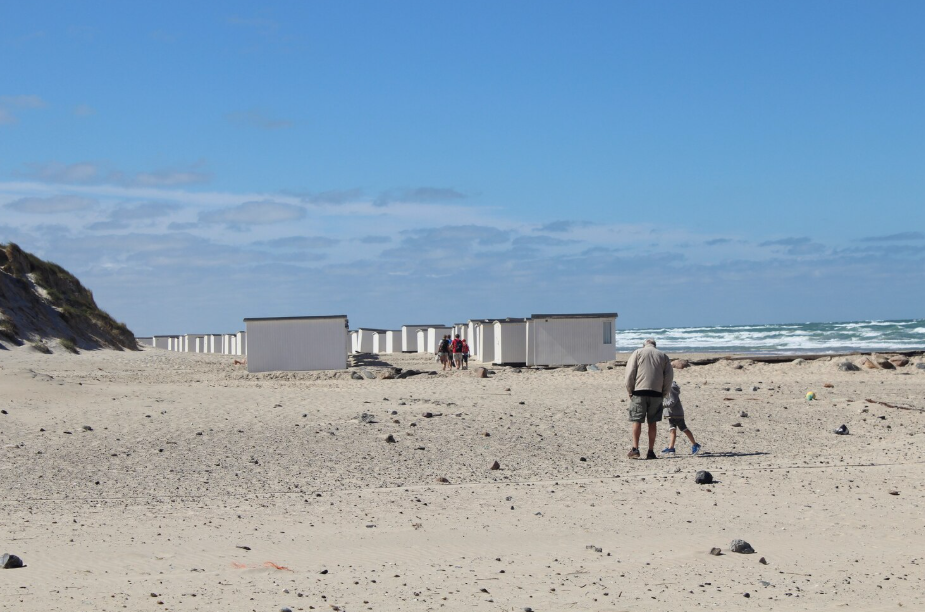
Shorelines face relentless pressure from waves, tides, wind, and human activity, leading over time to erosion, property damage, and changes to natural habitats. The real challenges behind coastal construction near the ocean involve creating designs that protect the land while supporting safe, livable communities. By carefully addressing these forces, engineers and builders develop structures that minimize shoreline wear and preserve both the environment and vital infrastructure for the long term.
The Problem with Shoreline Wear
Erosion gradually wears away soil and sediment along the coast, with high tides, storms, and waves speeding up the damage to homes, roads, and protective shoreline structures. Coastal construction focuses on creating resilient systems that withstand these forces while protecting the shoreline. Thoughtful building practices help preserve land, safeguard property value, and maintain the natural habitats and vegetation that play a crucial role in stabilizing the coast over time.
Methods That Protect the Shoreline
Coastal construction uses a variety of methods to reduce erosion and maintain shoreline stability. These include:
- Seawalls and bulkheads to absorb and redirect wave energy
- Riprap or rock barriers that prevent soil from washing away
- Living shorelines that use plants and natural materials to reinforce the coast
- Breakwaters to reduce the force of incoming waves before they reach the shore
Each method is designed to work with the natural movement of water rather than against it, preserving the shoreline while protecting structures.
Strong Foundations for Stability
A building’s foundation is essential in reducing shoreline wear. Coastal construction designed to handle saltwater stress often uses:
- Deep foundation systems that anchor buildings below shifting soil layers
- Reinforced concrete footings to prevent settling
- Flexible support systems that adjust to changing water levels
Strong foundations keep buildings stable, even when surrounding soil and sediment are affected by tides or storms. This stability also prevents structures from accelerating erosion around their base.
Managing Water Flow
Water flow management is a key part of reducing shoreline wear. Coastal construction includes:
- Grading land to direct water away from vulnerable areas
- Installing drainage channels and culverts to reduce flooding
- Using permeable surfaces to prevent water buildup and erosion
Proper water management protects both the shoreline and structures while reducing long-term erosion.
Materials That Withstand Coastal Forces
Saltwater, wind, and moisture make many materials unsuitable for coastal environments. Coastal construction relies on:
- Marine-grade concrete for seawalls and piers
- Corrosion-resistant metals for support structures
- Treated wood or composite materials for exposed surfaces
These durable materials reduce maintenance needs and help ensure long-term shoreline protection.
Working with Nature, Not Against It
Modern coastal construction emphasizes working with natural processes rather than trying to control them entirely. By integrating natural features such as vegetation, dunes, and wetlands, construction projects can:
- Stabilize soil naturally
- Reduce wave impact on critical areas
- Support habitats that further prevent erosion
This approach helps communities maintain resilient shorelines while preserving coastal ecosystems.
Planning for the Future
Shorelines are dynamic, and rising sea levels or stronger storms can increase erosion risks. Coastal construction takes a long-term view by:
- Designing structures that can be adapted or upgraded
- Planning for increased tidal and wave activity
- Including maintenance schedules to inspect and repair erosion control systems
Forward-thinking design ensures that investments continue to protect the coast for decades.
Conclusion
Coastal construction is essential for preserving shorelines and protecting waterfront communities. Modern waterfront projects rely on coastal construction practices that combine strong foundations, erosion control measures, water management systems, and durable materials. By working with natural features and planning for future environmental changes, these methods help maintain stable, safe, and sustainable shorelines, allowing coastal areas to thrive while minimizing the long-term impact of waves, tides, and wind.